

Sports play a crucial role in children’s development by supporting physical health, strengthening social skills, and building self-confidence. For children with special needs, however, participation in sports activities often requires additional support, understanding, and guidance. In this process, families frequently play the most significant role. Parents and caregivers are often the first individuals who introduce children to sports, encourage them to participate, and help sustain their engagement over time.
For children with intellectual disabilities such as Down syndrome, autism spectrum disorder, and other cognitive differences, participation in sports can have far-reaching benefits that go beyond physical development. Sports environments provide opportunities for children to interact with peers, build friendships, learn new skills, and develop a sense of belonging within a group. These experiences can significantly contribute to their emotional well-being and social inclusion. However, the success of this process often depends on the encouragement and support children receive from their families.
Many families initially experience concerns about their children’s participation in sports activities. Parents may worry that their child might struggle physically, feel excluded in a group setting, or become discouraged if the activity proves challenging. Some families also question whether sports environments are adequately prepared to meet their child’s needs. These concerns are entirely understandable. At the same time, research and practical experiences from inclusive sports programs demonstrate that when sports activities are thoughtfully designed and supported, they can provide extremely positive outcomes for children with special needs.
Participation in sports often contributes significantly to the development of self-confidence among children with special needs. Learning a new movement, completing a task successfully, or simply being part of a team can create a powerful sense of accomplishment. These experiences help children recognize their abilities and develop a more positive perception of themselves. Families play a key role in reinforcing these positive experiences by encouraging their children, celebrating small achievements, and supporting them throughout the learning process.
Another important factor in supporting children’s participation in sports is choosing the right sports environment. Not all sports programs are designed with inclusivity in mind, and some environments may be more supportive than others for children with special needs. Families can play an important role by carefully observing the atmosphere of the sports program, the communication style of coaches, and the level of flexibility within the activities. When children feel comfortable, welcomed, and supported in a sports environment, they are much more likely to remain engaged and enjoy the experience.
Patience is also an essential element in this process. Some children may need time to adapt to new environments, routines, or social interactions. Sports participation should therefore be seen as a gradual learning journey rather than an immediate performance expectation. When families approach this experience with patience and understanding, children are more likely to develop confidence and continue participating in sports activities over time.
Collaboration between families and coaches is another important component of successful sports participation. Parents often have valuable knowledge about their child’s strengths, communication preferences, and specific needs. Sharing this information with coaches can help create a more supportive and effective sports environment. Likewise, coaches who maintain open communication with families can better understand the child’s progress and adapt activities when necessary. This collaborative relationship helps ensure that sports programs are more responsive to the needs of each participant.
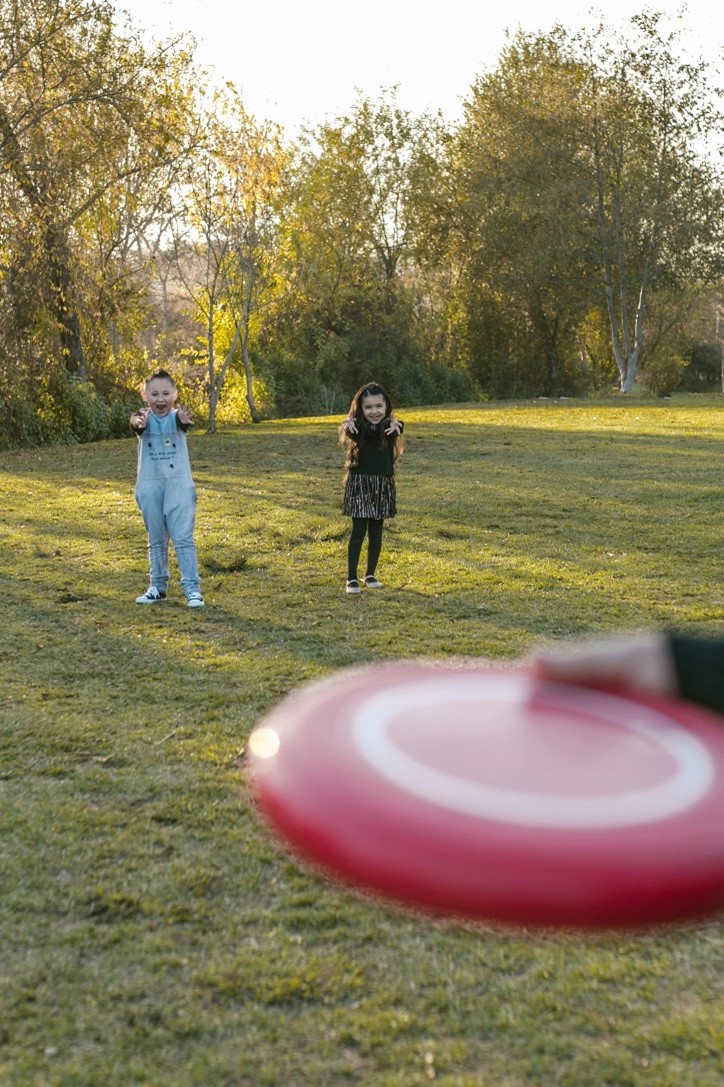
Experiences from inclusive sports initiatives around the world show that when families actively support their children’s participation in sports, remarkable progress can occur. Children who initially feel hesitant or shy often become more confident as they gain experience and build relationships with teammates and coaches. Over time, many children begin to demonstrate greater independence, stronger communication skills, and a more positive attitude toward physical activity. These changes often extend beyond the sports environment and positively influence children’s everyday lives.
Ultimately, sports can become much more than a recreational activity for children with special needs. When supported by understanding families and inclusive environments, sports can help children discover their abilities, build meaningful relationships, and develop a stronger sense of belonging within their communities.
Families therefore play a vital role in unlocking the transformative potential of sports. Through encouragement, patience, and collaboration with coaches and sports organizations, parents can help create opportunities that allow their children to grow, explore their potential, and participate fully in social life.
When families support and believe in their children’s abilities, sports become not just an activity but a powerful pathway toward confidence, independence, and social inclusion.


 © 2026 | DigiLAB Project