
Blog
The Transformative Power of Sports: Why Is Participation in Sports So Important for Young People with Special Needs?

Building inclusive, equitable, and sustainable societies requires the active participation of all individuals in social life. However, people with special needs often face multiple barriers in areas such as education, employment, social participation, and cultural activities. These barriers are not only physical but also social, cultural, and psychological in nature.
In this context, sports emerge as a powerful tool that can significantly improve the quality of life of individuals with special needs, strengthen their social participation, and transform the way they interact with society. Sports should not be seen merely as physical activity; they also represent an important learning and experience environment where individuals can express themselves, develop self-confidence, build social relationships, and take on active roles within their communities.
For young people with special needs, engaging in sports from an early age can create a transformative process that supports identity development, strengthens the sense of independence, and enhances the feeling of belonging to society.
Physical Benefits of Sports Participation
One of the most visible benefits of sports is its positive impact on physical health. Regular physical activity supports muscle development, improves balance and coordination, increases endurance, and contributes to overall well-being.
For individuals with special needs, sports also play an important role in developing daily life skills. Participation in sports activities can contribute to:
- the improvement of motor skills
- increased muscle strength and flexibility
- enhanced balance and coordination
- the development of healthy lifestyle habits
These outcomes help individuals perform daily activities more independently and confidently.
In addition, sports help prevent health problems related to sedentary lifestyles. Encouraging participation in sports during childhood and youth lays the foundation for healthy habits that can last throughout life.
Self-Confidence and Psychological Well-Being
Another significant impact of sports for young people with special needs lies in supporting psychological well-being. When individuals participate in sports activities, they experience a sense of achievement and accomplishment, which plays a crucial role in building self-confidence.
Learning a new skill, achieving a personal goal, or being part of a team can create a powerful sense of success. This experience is particularly meaningful for individuals who may frequently encounter perceptions of limitation or dependency within society.
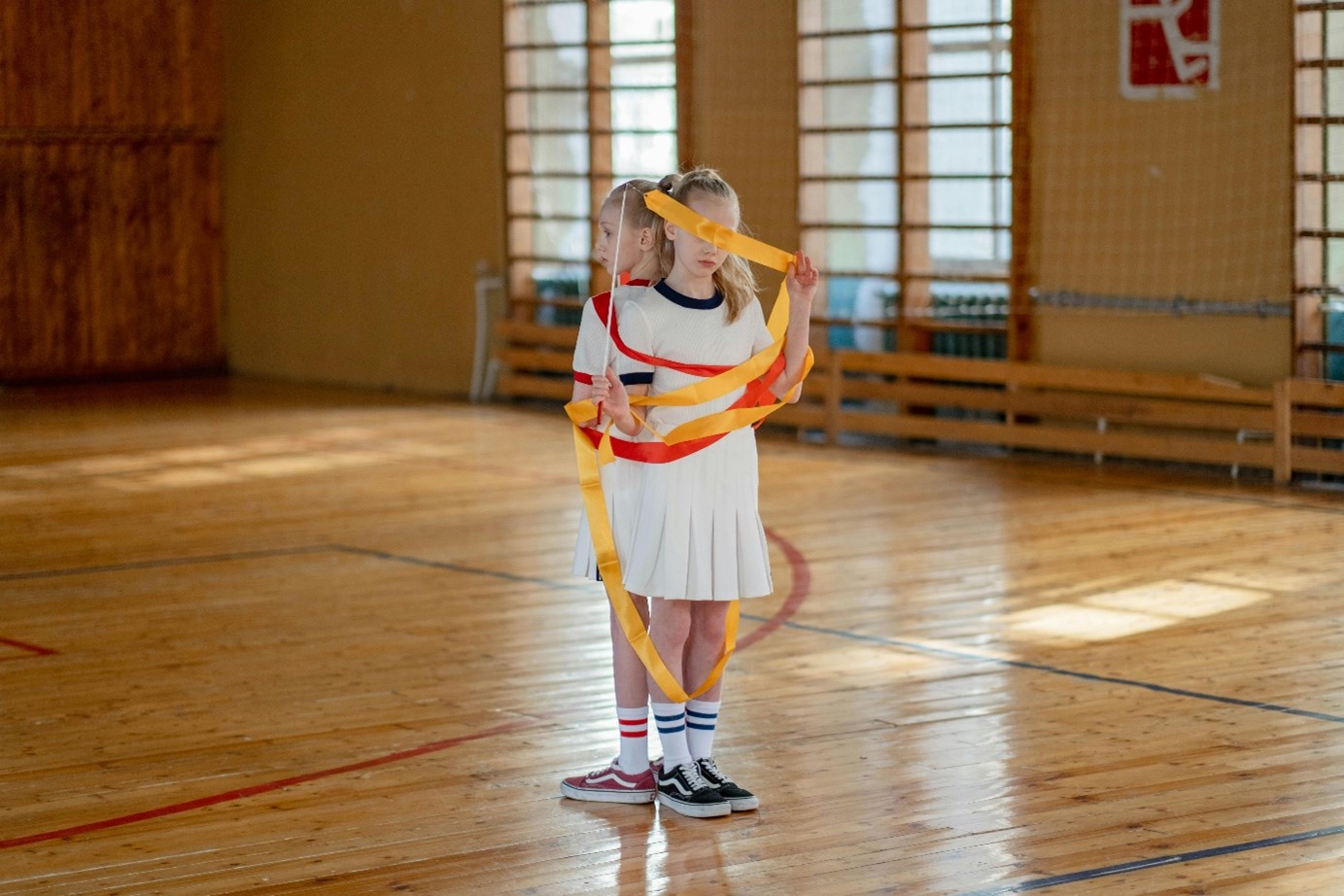
Sports participation can positively influence mental and emotional well-being by:
- increasing self-confidence
- reducing stress and anxiety
- strengthening emotional resilience
- improving self-expression skills
Furthermore, sports help reduce feelings of isolation by creating opportunities for social interaction and support networks, which are particularly valuable for young individuals.

Team Sports and the Development of Social Skills
Sports also create a strong social environment that brings people together. Team sports, in particular, provide valuable opportunities for individuals to develop communication, cooperation, and teamwork skills.
Being part of a team allows individuals to feel that they belong to a group. This sense of belonging is extremely important for social development. Through team sports, young people can:
- develop communication skills
- learn empathy
- take responsibility
- participate in collective decision-making processes
These experiences extend beyond the sports environment and contribute significantly to individuals’ social lives.
For young people with special needs, building friendships and social networks through sports can reduce social isolation and strengthen their connection with the broader community.
The Power of Sports to Reduce Social Prejudices
The transformative impact of sports is not limited to individuals; it also has the potential to change societal perceptions of disability.
In many societies, individuals with special needs are often perceived mainly as people who require support or protection. Sports challenge this perception by highlighting individuals’ abilities, talents, and achievements.
Inclusive sports activities provide opportunities for communities to witness the capabilities of individuals with disabilities and to rethink existing stereotypes.
Inclusive sports environments send a powerful message:
Disability is not a limitation but a different experience, and everyone has the right to participate in sports.
When individuals from diverse backgrounds come together through sports, they gain the opportunity to understand one another better, which ultimately helps reduce prejudice and promotes social inclusion.
Sports and Active Citizenship
Participation in sports not only develops physical and social skills but also fosters a sense of active citizenship among young people.
Sports provide a learning environment where individuals experience values such as responsibility, respect for rules, solidarity, and cooperation. These values play an essential role in encouraging young people to become active and engaged members of society.
Through sports, young people with special needs can:
- participate more actively in community life
- engage in volunteer activities
- develop leadership and teamwork skills
For this reason, sports should be viewed not merely as recreational activities but as important tools for building participatory and inclusive societies.
Digital Learning and the Future of Inclusive Sports
In today’s digital world, online learning platforms play an increasingly important role in promoting inclusive sports practices and sharing knowledge across borders.
Platforms such as DigiLAB provide valuable learning opportunities for youth workers, coaches, and volunteers who wish to develop their skills in inclusive sports methodologies. Through digital training modules, practical guides, and educational resources, these platforms help practitioners learn new approaches and improve their practices.
By making knowledge more accessible, digital learning environments contribute to expanding inclusive sports initiatives and reaching a wider community of professionals and volunteers.

Conclusion
Sports represent far more than physical activity for young people with special needs. They are powerful tools that foster self-confidence, strengthen social connections, promote active participation, and challenge societal prejudices.
Promoting inclusive sports approaches not only improves the quality of life of individuals with disabilities but also contributes to building more inclusive, equitable, and resilient societies.
Youth workers, coaches, volunteers, and policymakers therefore play a crucial role in ensuring that the transformative power of sports becomes accessible to all.
Because sports are not just games — they are opportunities for equality, participation, and social change.


 © 2026 | DigiLAB Project
